Breath, Balance, and Being: My Journey Into the Heart of Qigong Wellness
Living in constant hustle, I once felt drained—until I discovered qigong. It wasn’t magic, just mindful movement and breath. Over time, my energy shifted, my focus sharpened, and my body felt lighter. This is more than exercise; it’s a lifestyle reset rooted in ancient Chinese wisdom. Let me share how something so simple transformed my daily well-being. In a world where speed is celebrated and stillness misunderstood, many of us carry invisible weights: fatigue that sleep doesn’t fix, stress that lingers long after work ends, and a sense of disconnection from our own bodies. Qigong offered me not an escape, but a return—to rhythm, to breath, to balance. And increasingly, science and wellness communities are recognizing what practitioners have known for centuries: true health flows not from force, but from harmony.
The Modern Burnout and the Timeless Answer
In today’s fast-paced society, chronic fatigue and emotional exhaustion have become common companions. Many women between the ages of 30 and 55 navigate a complex web of responsibilities—managing households, supporting families, advancing careers, and maintaining personal well-being. The cumulative effect is often a quiet but persistent burnout, marked by low energy, difficulty concentrating, and a sense of being emotionally stretched too thin. According to the World Health Organization, burnout is now officially recognized as an occupational phenomenon, characterized by feelings of energy depletion, increased mental distance from one’s job, and reduced professional efficacy. Yet, this state of depletion is not limited to the workplace; it permeates home life, relationships, and physical health.
Amid this modern crisis, qigong emerges as a gentle yet powerful counterbalance. Rooted in traditional Chinese medicine (TCM), qigong is built on the understanding that health is not merely the absence of disease but a dynamic state of balance within the body, mind, and spirit. Unlike aggressive fitness regimens or pharmaceutical interventions, qigong does not seek to overpower the body but to restore its natural rhythms. It operates on the principle that vitality flows through pathways known as meridians, and when this flow is disrupted by stress, poor posture, or emotional strain, disharmony follows. Qigong aims to clear these blockages, not through force, but through intentional breath, mindful movement, and focused awareness.
What makes qigong particularly relevant today is its adaptability. It requires no special equipment, can be practiced in small spaces, and fits easily into a busy schedule. A growing number of healthcare professionals and wellness experts now recommend qigong as a complementary practice for stress reduction, improved sleep, and enhanced emotional resilience. Hospitals and integrative medicine centers across North America and Europe have incorporated qigong into programs for chronic pain, cardiovascular health, and cancer recovery support. Its resurgence is not a trend, but a recognition that ancient wisdom can offer practical solutions to modern problems.
What Exactly Is Qigong? Beyond the Hype
Despite its rising popularity, qigong is often misunderstood. Some confuse it with yoga or tai chi, while others dismiss it as mystical or esoteric. In truth, qigong is a systematic practice with clear components and measurable effects. The word itself comes from two Chinese characters: qi, meaning vital energy or life force, and gong, meaning cultivation or skill developed through practice. Together, qigong translates to “the practice of cultivating life energy.” This energy is not supernatural; in the context of traditional Chinese medicine, it refers to the physiological and psychological processes that sustain health—circulation, respiration, nervous system regulation, and mental clarity.
Qigong has evolved over thousands of years, drawing from Daoist, Buddhist, and martial traditions. Daoist qigong emphasizes longevity and internal alchemy, Buddhist qigong focuses on meditation and mental stillness, and martial qigong builds strength and coordination. However, modern qigong is largely secular and accessible to people of all backgrounds. It is not tied to any religion, belief system, or cultural identity. Anyone can practice it, regardless of age, fitness level, or prior experience. What matters most is consistency, attention, and a willingness to listen to the body.
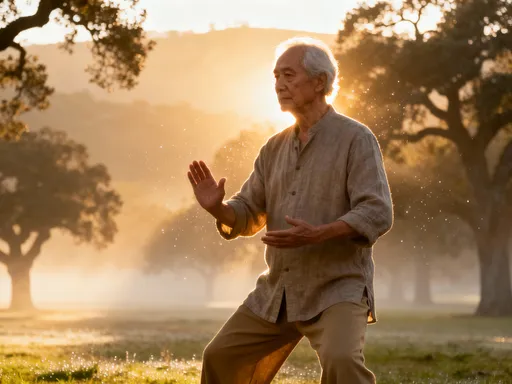
At its core, qigong combines three elements: regulated breathing, gentle physical movement, and mental focus. These are not performed simultaneously in a chaotic way, but in a coordinated, intentional manner. For example, a simple qigong exercise might involve standing with feet shoulder-width apart, breathing deeply into the lower abdomen, and slowly raising the arms while visualizing energy rising through the body. The movements are slow, deliberate, and repetitive, allowing the nervous system to shift from a state of alertness to one of calm. This triad of breath, motion, and awareness creates a feedback loop that enhances self-regulation and internal awareness.
How Qigong Works: The Mind-Body Connection
The benefits of qigong are not merely anecdotal; they are supported by a growing body of scientific research. One of the most well-documented effects is its ability to activate the parasympathetic nervous system—the branch of the autonomic nervous system responsible for rest, digestion, and recovery. When we are under chronic stress, the sympathetic nervous system dominates, keeping the body in a state of “fight or flight.” This leads to elevated cortisol levels, increased heart rate, and muscle tension. Over time, this imbalance contributes to a host of health issues, including insomnia, digestive problems, and weakened immunity.
Qigong helps reverse this pattern. Studies published in journals such as Frontiers in Psychology and Complementary Therapies in Medicine have shown that regular qigong practice significantly reduces cortisol levels, lowers blood pressure, and improves heart rate variability—a key indicator of cardiovascular resilience. The slow, rhythmic breathing used in qigong stimulates the vagus nerve, which acts as a brake on the stress response. This allows the body to shift into a state of “rest and digest,” where healing and restoration can occur.
Beyond the nervous system, qigong enhances proprioception—the body’s ability to sense its position in space. This is particularly valuable as we age, when balance and coordination can decline. The gentle weight-shifting and controlled movements in qigong improve joint mobility, muscle tone, and spatial awareness. Additionally, the mental focus required during practice strengthens attention and reduces mind-wandering, which has been linked to improved emotional regulation and reduced symptoms of anxiety and depression. These changes may seem subtle at first, but over time, they contribute to a profound shift in overall well-being.
Core Principles of Qigong Practice
To practice qigong effectively, it is essential to understand its foundational principles. These are not rigid rules, but guiding concepts that help create the right internal environment for healing and balance. The first principle is proper posture. Whether standing, sitting, or moving, the body should be aligned in a way that allows energy to flow freely. This means keeping the spine straight but not rigid, the shoulders relaxed, and the head balanced as if suspended from above. Good posture reduces strain on the joints and supports deep, unobstructed breathing.
The second principle is diaphragmatic breathing, also known as belly breathing. Unlike shallow chest breathing, which is common during stress, diaphragmatic breathing engages the lower abdomen and expands the lungs fully. This type of breathing increases oxygen intake, massages the internal organs, and signals safety to the brain. In qigong, breath is often coordinated with movement—for example, inhaling as the arms rise and exhaling as they lower. This synchronization enhances the calming effect and deepens the mind-body connection.
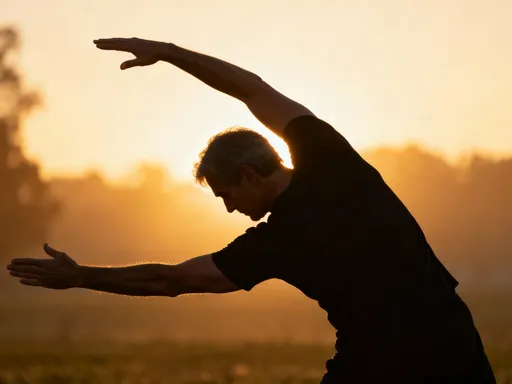
The third principle is intentional awareness. This means paying attention to the present moment without judgment. It is not about achieving a blank mind, but about observing sensations, thoughts, and emotions as they arise. This mindful presence is what transforms qigong from mere exercise into a meditative practice. The fourth principle is fluid motion. Movements in qigong are smooth, continuous, and circular, mimicking the natural rhythms of nature. This contrasts with the abrupt, linear motions common in many fitness routines. By moving slowly and with intention, practitioners develop greater body awareness and reduce the risk of injury.
One of the most accessible forms of qigong for beginners is Ba Duan Jin, or the Eight Brocades. This set of eight gentle exercises has been practiced for centuries and is designed to strengthen the organs, improve flexibility, and enhance energy flow. Each movement targets a specific area of the body and is accompanied by a breathing pattern and mental focus. Because it can be done in ten minutes or less, Ba Duan Jin is an ideal starting point for those new to qigong.
Starting Your Own Qigong Routine: Simple Steps
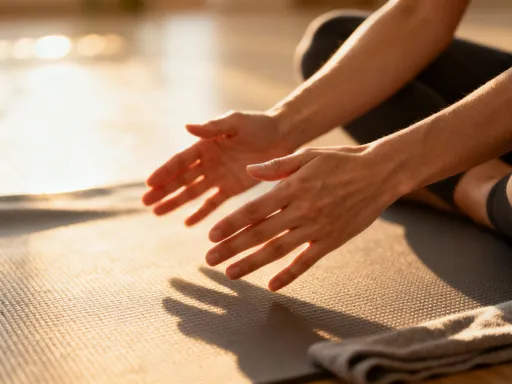
Beginning a qigong practice does not require special training or equipment. The most important step is to create a dedicated space—even a small corner of a room can serve as a quiet sanctuary. Choose a time of day when you are least likely to be interrupted, such as early morning or late evening. Many find that practicing before breakfast helps set a calm tone for the day, while evening sessions support relaxation and better sleep.
Start with just five to ten minutes a day. Stand with your feet shoulder-width apart, knees slightly bent, and arms relaxed at your sides. Close your eyes or soften your gaze. Begin by focusing on your breath, allowing it to slow and deepen naturally. Inhale through the nose, feeling the lower abdomen expand, and exhale through the mouth, releasing tension. After a few minutes of stillness, you can introduce simple movements, such as slowly raising and lowering your arms in rhythm with your breath.
Consistency is more important than duration. Practicing daily, even for a short time, builds momentum and reinforces the habit. As you become more comfortable, you can explore longer sequences or attend a local class. Many community centers, yoga studios, and senior centers now offer qigong sessions tailored to different skill levels. Online resources from reputable organizations, such as the National Qigong Association or the Tai Chi for Health Institute, provide free instructional videos and guided practices. These can be especially helpful for those who prefer to learn at home.
It is also important to approach qigong with patience and self-compassion. Progress is not measured by how perfectly you perform the movements, but by how present and aware you become. Some days, your mind may be restless; other days, your body may feel stiff. These are normal experiences. The practice is not about perfection, but about showing up and tuning in.
What to Expect—And What Not to Expect
When beginning qigong, it is important to set realistic expectations. Unlike high-intensity workouts that deliver immediate endorphin rushes, qigong works subtly and gradually. You may not feel dramatic changes after the first session. Instead, benefits often emerge over weeks or months: a slight increase in energy, improved sleep quality, reduced muscle tension, or a greater sense of calm during stressful moments. Some people report feeling warmer, lighter, or more grounded. Others notice that they breathe more deeply without thinking about it, or that they respond to challenges with more patience.
These shifts are not mystical; they are the result of physiological and neurological adaptations. However, qigong is not a cure-all. It should not be seen as a replacement for medical treatment, especially for chronic conditions such as heart disease, diabetes, or mental health disorders. Instead, it is best understood as a complementary practice that supports overall wellness. If you have a medical condition, it is always advisable to consult with your healthcare provider before starting any new exercise program, including qigong.
Another common misconception is that qigong requires hours of daily practice to be effective. In reality, even a few minutes a day can make a difference. The key is regularity, not duration. Similarly, qigong is not about achieving a particular state of enlightenment or spiritual awakening. While some practitioners do experience deeper self-awareness or emotional clarity, the primary goal is balance, not transcendence. It is a practical tool for living well, not a path to mystical experiences.
Qigong as a Lifestyle: Integrating Mindful Energy Daily
As your qigong practice deepens, you may find that its principles begin to extend beyond the formal session. The awareness cultivated on the mat can influence how you move, breathe, and respond throughout the day. For example, you might catch yourself slouching at your desk and gently realign your posture. You might notice tension in your shoulders while cooking and take a moment to breathe into that area. These small acts of mindfulness are the essence of qigong as a lifestyle.
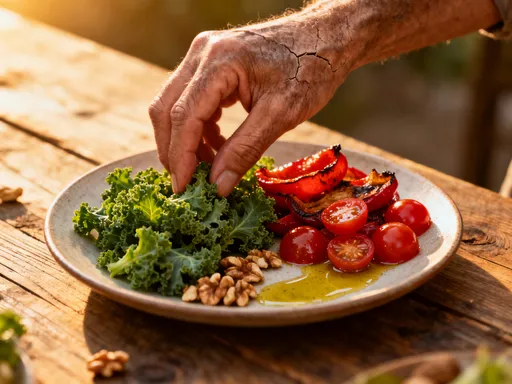
Walking can become a form of moving meditation when done with awareness of each step and breath. Eating can be an opportunity to practice presence, savoring each bite and noticing how food affects the body. Even household chores, often seen as burdens, can be approached with the same intentionality—folding laundry with slow, deliberate motions, or washing dishes while staying connected to the sensation of water and movement. In this way, qigong transforms ordinary moments into opportunities for restoration.
This integration is not about adding more to your day, but about being more present within it. It is a shift from doing to being—from striving to settling. Over time, this cultivated awareness fosters resilience, not through resistance, but through alignment. You learn to move with life rather than against it. The discipline of qigong is gentle, but its impact is lasting. It is not a quick fix, but a lifelong commitment to inner balance.
In a world that often values speed over stillness, output over presence, qigong offers a quiet rebellion. It reminds us that true vitality does not come from pushing harder, but from listening deeper. It is not about achieving more, but about being more fully alive in each moment. For women navigating the complexities of midlife, qigong can be a source of strength, clarity, and peace. It is not a destination, but a journey—one breath, one movement, one moment at a time.