Youth on Repeat: How Recovery Worked for My Aging Body
As I hit my late 40s, fatigue and stiffness became daily companions—until I discovered the real game-changer: recovery-based healing. It wasn’t about drastic fixes but consistent, science-backed renewal. This journey reshaped my energy, mobility, and confidence. If you're feeling worn down by time, what if the secret isn’t fighting aging—but rebuilding smarter? The truth is, aging doesn’t have to mean decline. With the right approach, many of the symptoms we accept as inevitable can be slowed, softened, or even reversed. This is not about chasing youth through extreme measures, but about supporting the body’s natural ability to restore itself—day by day, habit by habit.
The Silent Burnout Nobody Talks About
By the time many women reach their mid-40s, a quiet kind of exhaustion has often settled in. It’s not just tiredness after a long day—it’s a deeper, persistent fatigue that sleep doesn’t fully fix. Joints ache with morning stiffness, mental focus wavers, and even simple tasks can feel overwhelming. These symptoms are frequently dismissed as normal signs of aging, but they are not inevitable. Instead, they are signals—early warnings from the body that its recovery systems are overwhelmed. Chronic stress, poor sleep quality, and sedentary lifestyles place continuous demands on the body without allowing time for repair. Over time, this imbalance leads to a state scientists call “allostatic load,” where the body’s stress response becomes overactive, accelerating biological aging.
The modern lifestyle often worsens this cycle. Long hours, emotional demands, and constant digital stimulation keep the nervous system in a near-constant state of alert. At the same time, many women reduce physical activity during perimenopause, not realizing that movement is a key part of recovery. Without intentional recovery practices, the body remains in a state of low-grade inflammation, which contributes to joint discomfort, weight gain, and brain fog. Traditional anti-aging strategies—like expensive creams or restrictive diets—often fail because they don’t address this underlying issue: the body’s inability to fully repair itself between daily stresses. Recovery is not a luxury; it is a biological necessity, especially as we age and our natural repair processes slow down.
Recovery vs. Rest: Why They’re Not the Same
Many people believe that rest and recovery are interchangeable, but they are fundamentally different. Rest is passive—sitting on the couch, lying in bed, or simply stopping activity. Recovery, on the other hand, is an active biological process that requires specific conditions to occur. It involves tissue repair, hormonal regulation, nervous system calming, and cellular regeneration. Think of it like charging a smartphone: rest is like turning the phone off, which stops battery drain, but recovery is plugging it in and allowing it to recharge fully. Without that active input, the battery never reaches full capacity, no matter how long the phone sits unused.
True recovery happens when the body shifts into the parasympathetic state—often called “rest and digest”—where healing can take place. This state is supported by quality sleep, proper hydration, gentle movement, and mental relaxation. During deep sleep, for example, growth hormone is released to repair muscles and joints. Hydration supports the lymphatic system, which clears cellular waste. Even light stretching or walking can increase blood flow, delivering oxygen and nutrients to tissues in need. These actions are not passive; they are deliberate inputs that signal the body it is safe to repair. Without them, the body remains in survival mode, prioritizing immediate function over long-term health. Recognizing this difference is the first step toward building a recovery-focused lifestyle that supports lasting vitality.
The Science of Slowing Down to Speed Up
Emerging research in longevity science confirms that recovery is not just beneficial—it’s essential for healthy aging. Studies show that practices supporting recovery, such as quality sleep, stress reduction, and regular physical activity, are linked to longer telomeres, the protective caps at the ends of chromosomes that shorten with age. Shorter telomeres are associated with accelerated aging and increased risk of chronic disease, while longer telomeres are a marker of cellular youth. One study published in *The Lancet Oncology* found that men who adopted a lifestyle including stress management and exercise showed telomere lengthening over five years, suggesting that biological aging can be influenced by daily habits.
Beyond telomeres, recovery supports mitochondrial health—the energy factories inside every cell. As we age, mitochondria become less efficient, leading to fatigue and slower healing. However, research shows that intermittent fasting, quality sleep, and aerobic exercise can stimulate mitophagy, the process of clearing out damaged mitochondria and replacing them with healthy ones. This renewal process is only possible when the body has time and resources to repair. Additionally, recovery practices reduce systemic inflammation, a key driver of age-related conditions like arthritis and metabolic slowdown. Improved insulin sensitivity, another benefit of consistent recovery, helps regulate blood sugar and supports healthy weight management. These changes don’t happen overnight, but they accumulate over time, creating a foundation for sustained energy and resilience.
My Turning Point: From Exhaustion to Energy
My own journey began in a moment of quiet frustration. I woke up one morning unable to bend down to tie my shoes without wincing. My energy dipped by mid-afternoon, and I found myself snapping at my family over small things. I wasn’t sick, but I didn’t feel well—just worn down, as if life had taken more than I could replenish. I tried quick fixes: more coffee, weekend naps, even a short-term diet. Nothing lasted. It wasn’t until I attended a wellness seminar that I heard the term “recovery-based healing.” The idea that healing could be structured, intentional, and measurable resonated deeply. I decided to commit to a 90-day recovery reset, focusing not on losing weight or looking younger, but on feeling better from the inside out.
The first few weeks were humbling. I had to relearn how to listen to my body. I started with simple habits: drinking a glass of water first thing in the morning, taking a 10-minute walk after dinner, and going to bed at the same time every night. I used a sleep tracker and was shocked to see how little deep sleep I was getting. I also began a daily mobility routine—gentle stretches and joint movements that felt almost too easy. But within six weeks, changes began to appear. My morning stiffness decreased. I had more patience during the day. My skin felt firmer, and my clothes fit differently, not because I lost weight, but because my posture improved and inflammation reduced. By week eight, I realized I hadn’t needed my afternoon caffeine boost in over a month. These shifts weren’t dramatic, but they were real—and they built on each other, creating a new baseline of well-being.
The Daily Recovery Stack That Actually Works
What I learned is that effective recovery doesn’t require extreme measures or expensive tools. It’s about building a consistent, layered routine—what I call a “recovery stack”—that supports the body throughout the day. The foundation of this stack is sleep. Going to bed and waking up at the same time every day, even on weekends, helps regulate the body’s internal clock and improves sleep quality. Creating a wind-down ritual—such as turning off screens an hour before bed, drinking herbal tea, or reading a book—signals the brain that it’s time to shift into rest mode. Quality sleep is non-negotiable; without it, other recovery efforts are undermined.
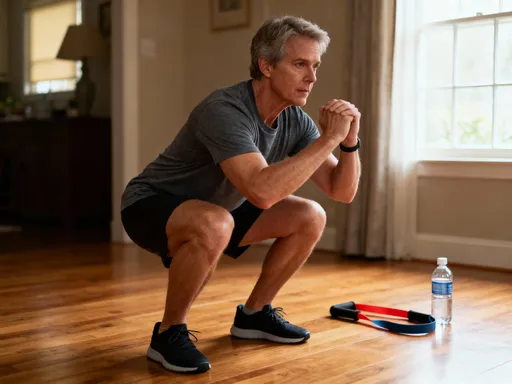
Hydration is another cornerstone. Starting the day with 16 ounces of water helps rehydrate the body after hours without fluid intake and kickstarts metabolism. I keep a marked water bottle to track intake, aiming for half my body weight in ounces each day. Movement is also essential, but not in the way many assume. Instead of intense workouts, I focus on daily mobility: 10 minutes of dynamic stretching in the morning, short walks after meals, and gentle yoga in the evening. These activities increase circulation, reduce stiffness, and support joint health without adding stress to the body.
In the afternoon, I incorporate breathwork—a simple but powerful tool for nervous system regulation. Just five minutes of diaphragmatic breathing can shift the body from stress mode to recovery mode. I use a 4-6-8 pattern: inhale for four counts, hold for six, exhale for eight. This practice calms the mind and lowers cortisol levels. Finally, digital detox is a key part of my evening routine. I turn off notifications and avoid screens at least one hour before bed. This reduces mental clutter and supports melatonin production. Together, these habits form a sustainable recovery stack that doesn’t take much time but delivers profound results over time.
When Healing Becomes a Habit
The most surprising part of this journey was how recovery shifted from something I had to force myself to do, to something I naturally wanted to do. At first, it felt like another task on an already full list. But as the benefits became clear—more energy, better mood, fewer aches—I began to see recovery not as a chore, but as self-respect. This psychological shift is critical. When we view healing as essential maintenance, like brushing our teeth or washing our hands, it becomes non-negotiable. The key is consistency, not perfection. There are still days when I skip a stretch or stay up too late, but I no longer see these as failures. Instead, I return to the routine the next day without guilt.
One of the biggest obstacles women face is the belief that they don’t have time. But recovery doesn’t have to be time-consuming. Even five minutes of deep breathing, a short walk, or a glass of water upon waking can make a difference. The goal is not to add more to the day, but to integrate recovery into existing routines. For example, stretching while watching the morning news, or practicing mindful breathing during a child’s homework time. Motivation will fluctuate, but habits built on small, repeatable actions endure. Over time, the body begins to crave these moments of restoration. You start to notice when you’ve skipped a habit because you feel the difference. That awareness—listening to your body’s signals—is one of the most powerful tools for long-term health.
Redefining Anti-Aging: Strength Through Restoration
Anti-aging has long been marketed as a battle against time—fighting wrinkles, hiding gray hair, chasing youth through external fixes. But what if the real secret isn’t resistance, but restoration? True vitality comes not from suppressing symptoms, but from supporting the body’s innate ability to heal. Aging is inevitable, but decline is not. By prioritizing recovery, we give the body the resources it needs to maintain strength, flexibility, and mental clarity well into the later years. This is not about looking younger; it’s about feeling capable, present, and resilient.
Science continues to show that the body remains adaptable at every age. With the right inputs—sleep, movement, hydration, and stress management—we can influence how we age at the cellular level. Recovery is not a quick fix or a trend; it is the foundation of long-term health. For women in their 40s, 50s, and beyond, this approach offers a powerful alternative to feeling worn down by life’s demands. It’s about making small, daily choices that add up to a lifetime of well-being. Healing is not a luxury reserved for the privileged or the retired. It is a practice available to anyone willing to listen, to slow down, and to rebuild—not against time, but with it. When we treat recovery as essential, we don’t just survive aging—we thrive through it.